Endpoint Security and Content Organization Alignment in Online Wagering Systems
Elena Neumann · Nov 9, 2026
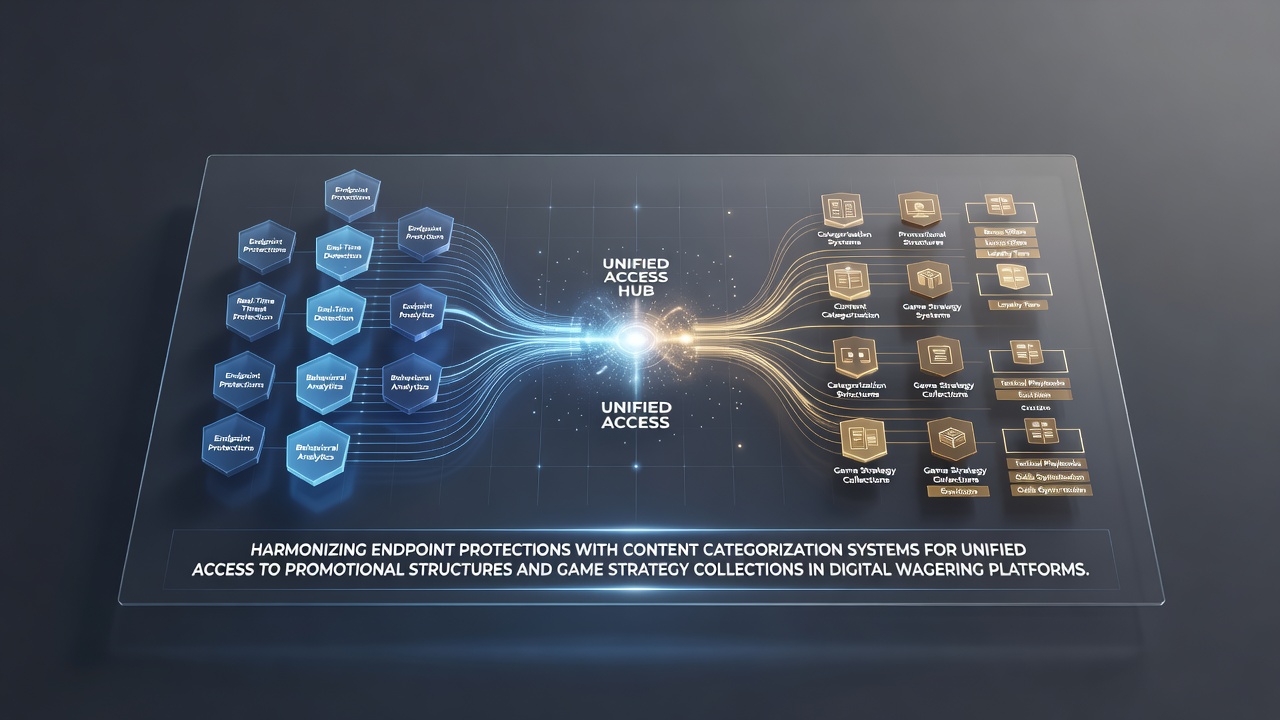
Endpoint Security and Content Organization Alignment in Online Wagering Systems
Digital wagering platforms continue to refine how endpoint protections connect with content categorization systems, and this integration creates unified pathways to promotional structures alongside game strategy collections. Operators have observed that combining these elements reduces fragmentation in user access while maintaining security layers across promotional materials and strategy archives. Data from industry reports indicates that platforms managing thousands of daily interactions benefit when protections at the endpoint level align directly with categorization protocols.
Core Components of Endpoint Protections in Wagering Environments
Endpoint protections operate as the frontline defense for devices accessing wagering resources, and they monitor traffic patterns, authenticate users, and restrict unauthorized entries into sensitive areas. Researchers have documented how these protections extend beyond basic firewalls to include real-time scanning for threats that target promotional content or strategy databases. In November 2026, several platforms reported updates to these systems that incorporated machine learning models for faster threat detection, allowing smoother flows between categorized promotional offers and archived game strategies.
Those who manage large-scale operations note that endpoint tools now interface with content management layers to enforce rules based on user categories, which prevents exposure of high-value promotional structures to unverified accounts. Evidence suggests this approach cuts down on vulnerabilities that previously allowed mismatched access attempts.
Content Categorization Systems and Their Role
Content categorization systems sort promotional structures and game strategy collections into logical groupings, and they rely on metadata tags, volatility indexes, and regulatory flags to organize material. Observers note that when these systems receive input from endpoint protections, they dynamically adjust visibility rules, ensuring that strategy collections remain accessible only through verified pathways. Studies from academic sources have shown improved navigation efficiency in platforms where categorization hierarchies link directly to security endpoints.
Take one case where experts found that integrating categorization with endpoint data reduced bounce rates on promotional pages by aligning user permissions with content tags in real time. This connection supports unified access without compromising the integrity of game strategy archives.
Harmonization Process and Technical Implementation
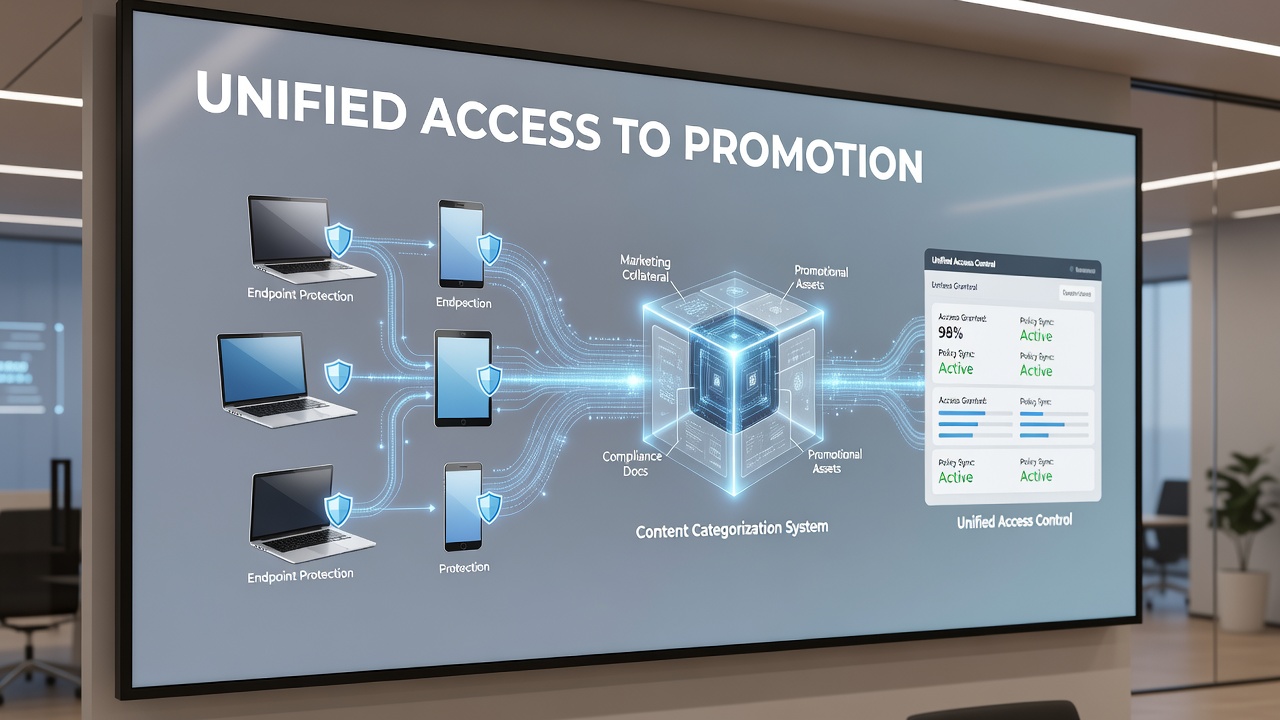
Harmonization begins with mapping endpoint security policies to content categorization rules, and this step involves defining API endpoints that pass authentication data directly into categorization engines. Platforms have implemented this through middleware layers that translate security signals into access permissions, allowing promotional structures to surface based on verified user profiles while strategy collections follow similar logic. According to findings from the American Gaming Association, such alignments have supported consistent performance across multiple jurisdictions.
Yet the process requires careful calibration because mismatched rules can create bottlenecks, and developers address this by testing flows that connect endpoint logs with categorization metadata. In practice, this means a user authenticated at the endpoint level gains seamless entry to both promotional deals and strategy archives without separate logins or redirects.
Benefits for User Navigation and Platform Efficiency
Unified access delivers measurable gains in how users reach promotional structures and game strategy collections, and platforms report higher engagement metrics when these elements operate under synchronized controls. Research indicates that categorization systems informed by endpoint data cut search times for specific strategies, while protections ensure that sensitive promotional offers stay shielded from broader exposure. Those who oversee operations highlight examples where regulatory updates from bodies like the European Gaming Regulators Association prompted quick adjustments that maintained access continuity.
And this setup supports scalability, because as collections grow, the harmonized system scales permissions without manual intervention. Figures from platform analytics reveal steady increases in session durations tied to these integrated features.
Challenges and Ongoing Adjustments
Challenges arise when endpoint protections encounter evolving threat landscapes or when categorization needs shift due to new game releases, and teams address these through iterative testing cycles. Observers note that platforms in regions with strict oversight maintain logs that link security events to content access attempts, providing audit trails for compliance reviews. What's notable is how these adjustments keep promotional structures and strategy collections available without introducing delays.
People who've studied these systems find that regular synchronization between endpoints and categorization tools prevents drift, ensuring that access rules stay aligned with current platform policies.
Conclusion
Harmonizing endpoint protections with content categorization systems establishes reliable unified access to promotional structures and game strategy collections across digital wagering platforms. This alignment supports secure, efficient operations that adapt to regulatory and technical demands while delivering consistent user pathways. Continued refinements in these integrations point toward further efficiencies in how platforms manage their resource libraries.